Shadowbox Fence vs Board on Board Fence: Which Is Better for You?
by Lauren Lockett-Summers
Last Updated: Jun 30, 2026
Shadowbox fencing and board on board fencing are both popular wood fencing options that provide durability, security, privacy and a finished, upscale look for outdoor spaces. Austin homeowners often compare them when choosing the right fence for their property. These fence styles share similarities in overall function and even materials, but their design and performance can vary based on the layout of the boards.
Placement and functionality define the main differences between a shadowbox fence and a board on board fence. Each style offers customizable benefits, when considering privacy, airflow, curb appeal, and overall cost. Understanding these differences can assist homeowners in choosing the fence that best fits their lifestyle, property, and outdoor space needs.
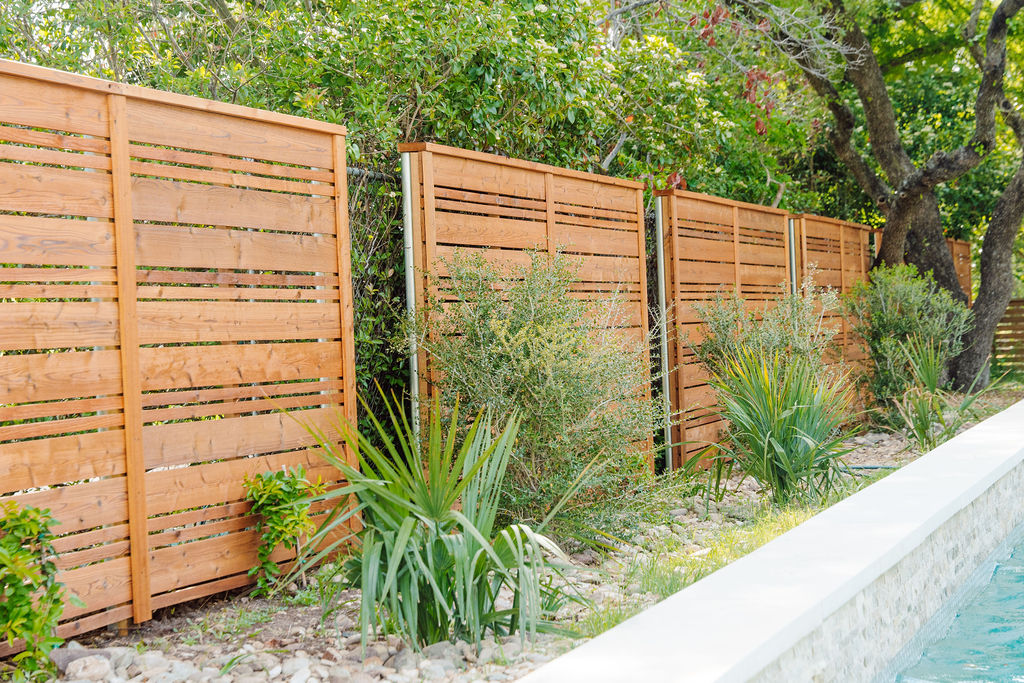
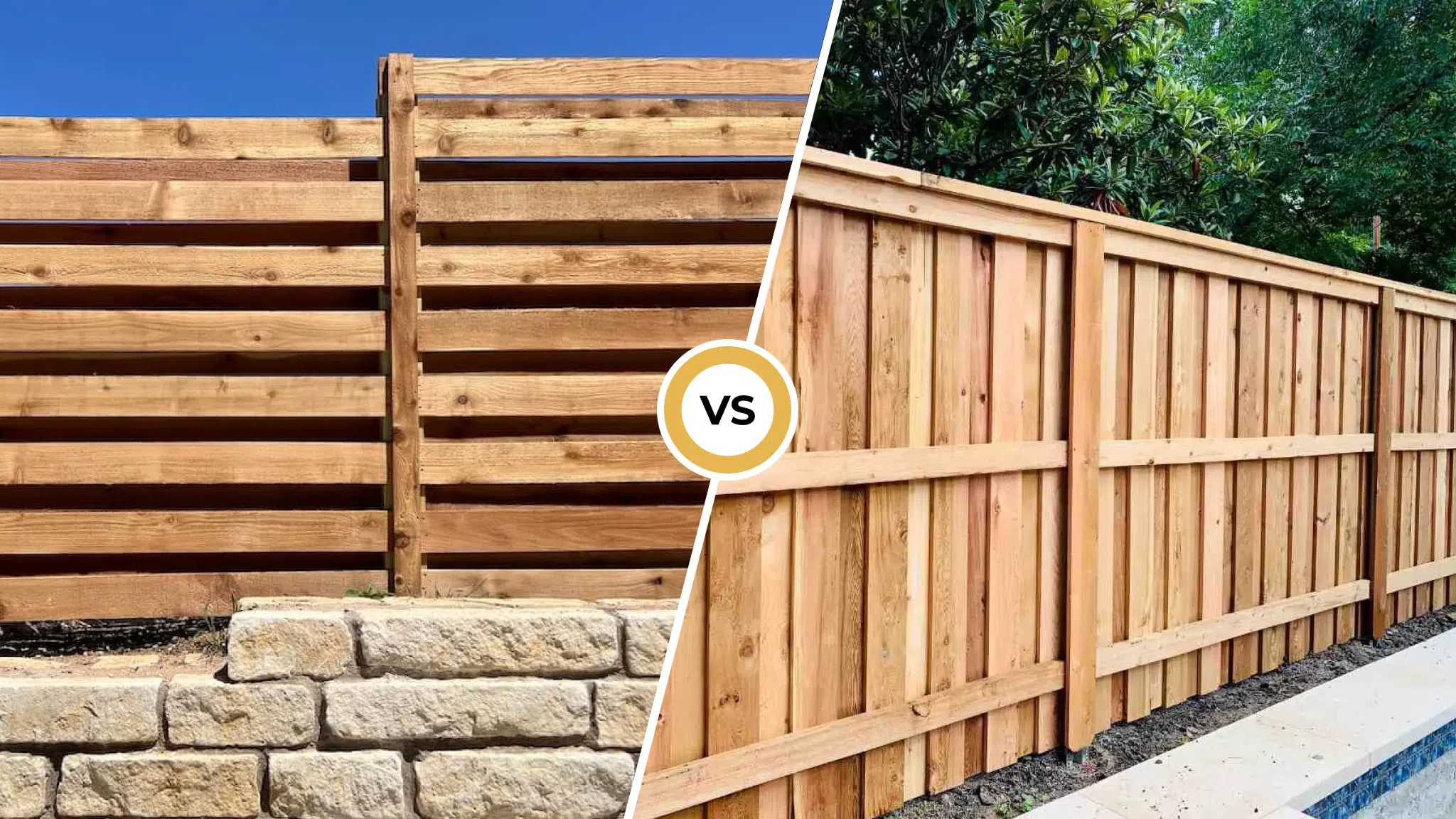
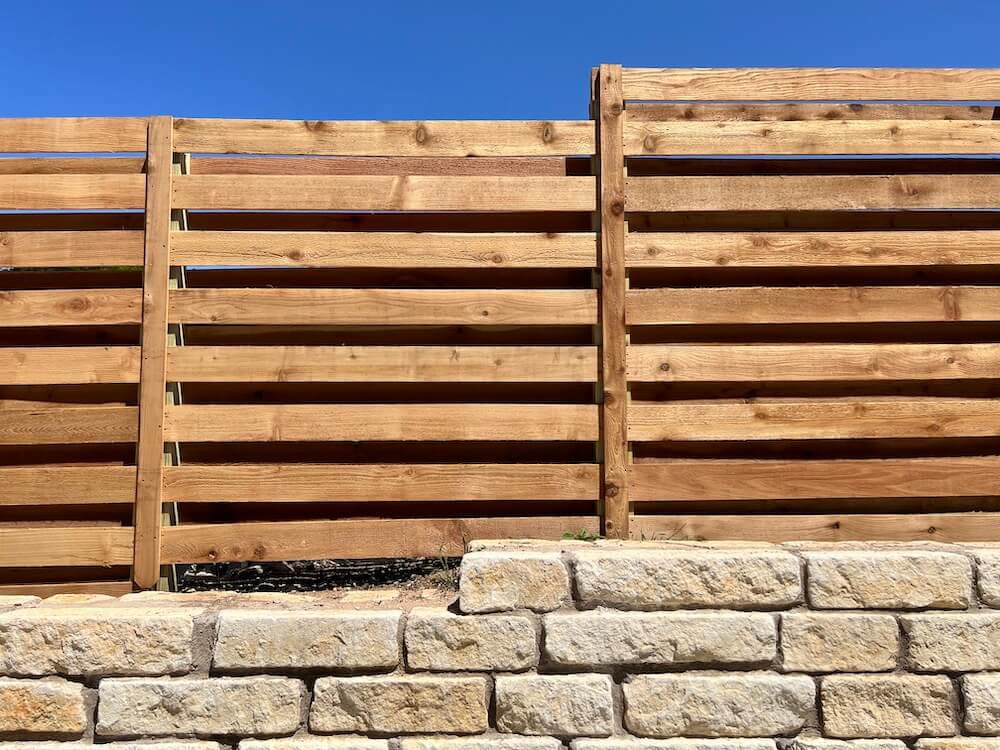
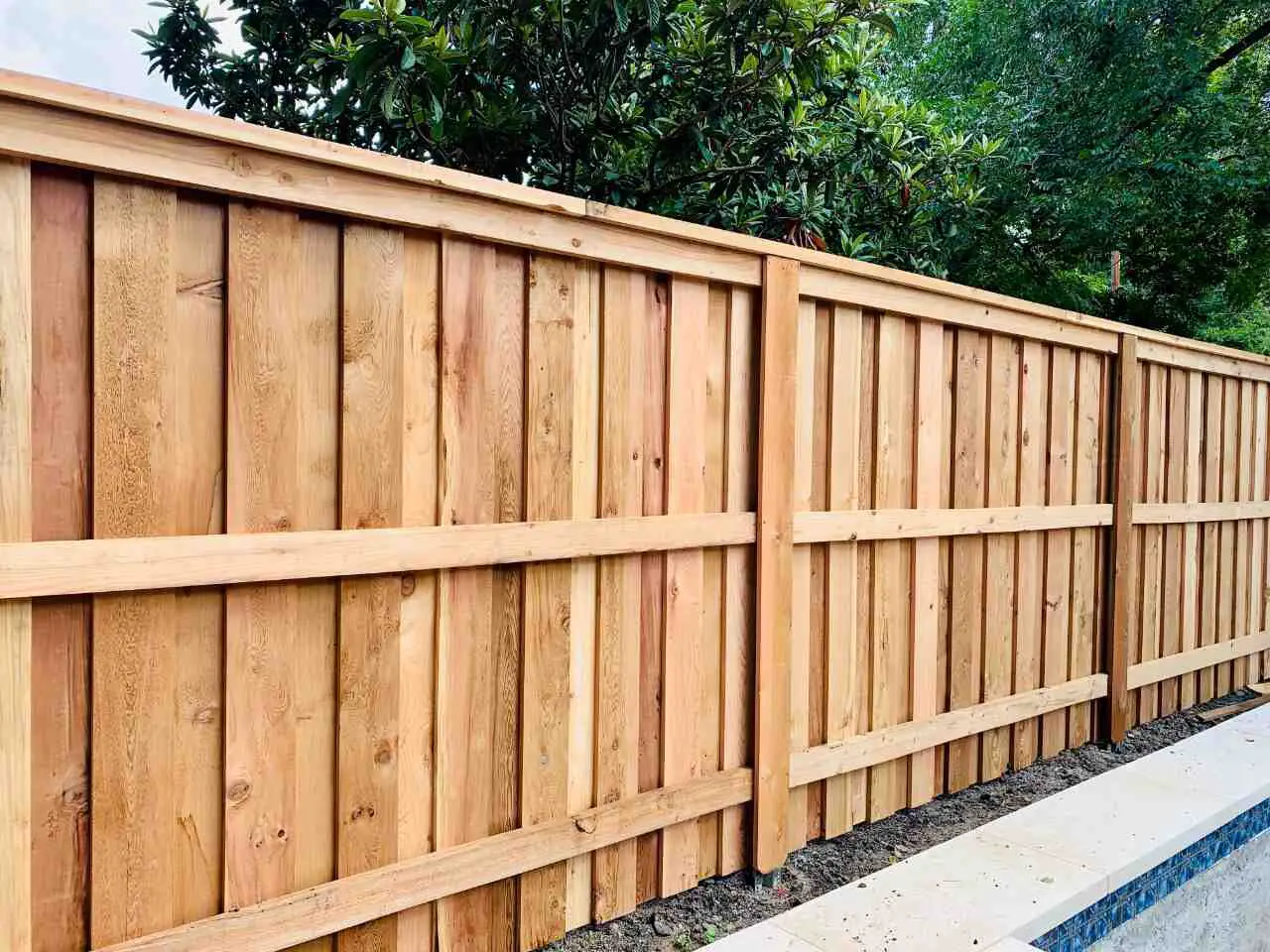
A shadowbox fence, which is sometimes called a shadow box privacy fence, is a style of wood fencing designed with alternating boards on each side of the fence rails. Instead of boards placed directly next to each other on one side, the boards are designed to overlap gaps, by altering placement on the opposite side. This technique creates small gaps between boards and still maintains a layered look.
Due to this overlapping board design, shadowbox fencing offers a balance between airflow and privacy. At a distance, the fence appears nearly solid, but the gaps between boards allow air and breezes to pass through, where that is much more difficult than traditional wood fence slats. This makes a shadowbox fence a popular choice for homeowners seeking privacy while allowing ventilation in their backyards.
Reasons to consider shadowbox fence
A big advantage of shadowbox fencing is the dual-sided visual appeal it offers. Since the boards alternate on both sides of the fence rails, the fence appears finished in either direction. For neighbors with a shared property line, that feature makes a shadowbox fence a great option. The overlapping board design also allows for improved airflow in the fenced area, which can reduce wind pressure on the structure. There is also flexibility in wood styles, board spacing and finishes so homeowners can customize the style.
Pros and cons of shadowbox fences
Shadowbox fencing offers several benefits, including an attractive appearance on both sides, balanced airflow, and a versatile design that works for many outdoor spaces. Due to the small gaps between the boards, privacy can be slightly reduced, compared to traditional solid wood fences. The materials and installation costs are also higher, compared to simpler fencing styles, due to the alternating board design.
When to avoid shadowbox fence
Shadowbox fences offer many advantages, but they may not be ideal for homeowners seeking sound reduction or maximum privacy. Since the design includes small gaps between the fence boards, partial movement and light may be visible through the fence. Where complete privacy and security is a priority, a more solid fence is likely a better choice.
A board on board fence is a wood privacy fence featuring vertical overlapping boards on each side of the fence rails. Instead of leaving gaps between the boards, each slightly overlaps the next, forming a layered design, and blocking visibility through the fence. This style provides maximum durability, privacy, and security for homeowners seeking a more solid barrier around their outdoor space.
Due to the overlapping vertical boards, this fence style remains effective even as the structure ages. The wood will naturally expand and contract over time, but the integrity of the fence is not reduced. Small gaps that tend to appear in traditional wood fencing are covered by the overlapping boards, and assist in maintaining privacy. Homeowners who want a long-lasting, strong privacy fence, with a polished, clean look often choose board on board fencing for their yard.
Reasons to consider board on board fence
Board on board fencing offers excellent security and privacy, so many homeowners choose this style of fencing. Overlapping vertical boards create a nearly solid barrier, making it difficult to peer into the yard, and making this fence style a popular option for families with kids and pets. Board on board fences also provide security and durability, since the additional boards reinforce the structure. This design also assists in the reduction of sound from neighbors or nearby streets, creating a quieter outdoor space.
When to avoid board on board fence
Although board on board fences have many benefits, they may not be the perfect choice for every outdoor space. Since the boards are very tightly installed, this style doesn’t allow much airflow through the fence.
In instances of strong winds, reduced airflow can increase wind pressure on the fence’s structure. In addition, board on board fencing generally has a finished appearance on one side, and visible rails on the other, which may not be attractive to homeowners seeking the same appearance on both sides of their fence.
Pros and cons of board on board fences
There are several advantages to board on board fencing, including increased durability, maximum privacy, and strong security for residential properties. Overlapping boards maintain privacy over time, even though the wood shifts as it ages, making this design a long-lasting choice for many homeowners.
The primary drawback of board on board fences is the cost. Due to the overlapping boards, installation requires significantly more materials and labor than other fence types.
Differences between shadowbox and board on board fences
In a comparison between shadowbox fencing and board on board fencing, the main differences come down to airflow, appearance, privacy and cost. Both are popular wood privacy fence styles, but each option performs differently, depending on homeowner priorities. Understanding how the fence styles compare can help homeowners choose the best option for their budget, property and visual preferences.
Feature
Shadowbox fence
Board on board fence
Privacy
Offers moderate privacy; small gaps between alternating boards
Offer maximum privacy; overlapping boards block direct visibility
Curb appeal
Finished look on both sides, making it a great option for shared property lines
Generally has a finished appearance on one side and visible rails on the other
Airflow
Allows airflow through the fence, which can improve wind resistance
Minimal airflow due to tightly overlapping boards
Cost
Often more budget friendly depending on materials and spacing
Higher cost because overlapping boards require more materials
Installation & maintenance
Durable and resistant to wind pressure because air can pass through
Strong and durable structure, but requires more materials and labor during i installation
Both shadowbox and board on board fencing offer an attractive and functional privacy fence, but the right choice often depends on homeowner preferences of visual appeal, airflow or maximum privacy.
Bottom line: Shadowbox fence or board on board fence for Austin yards?
Both of these fence styles offer privacy, durability and attractive design for homeowners. A shadowbox fence is a perfect option for homeowners seeking airflow and a finished look on both sides of the fence. A board on board fence, on the other hand, is ideal for people who want durability, maximum privacy and security. The best choice ultimately depends on privacy needs, property layout, and outdoor space goals.
Choose the perfect fence style with Austex in mind
The right fence style can make a huge difference in the appearance or functionality of your property. The team at Austex Fence and Deck helps homeowners explore fence options to match budget, privacy needs, and backyard goals. Our experienced professionals can help guide homeowners through the process, whether you’re considering a shadowbox or board on board fence, or even another fencing style.
To learn more about available fence styles or to get started on your project, contact Austex Fence and Deck today or request an instant quote.
Still Torn Between the Two?
Price out a shadowbox or board on board fence for your own yard. Our free estimator gives you a real number in minutes, with no obligation.
The main disadvantage of shadowbox fencing is the reduced privacy, due to the small gaps between the alternating boards. It may also require more materials than basic wood fence styles.
Are shadowbox fences more expensive?
Shadowbox fences can cost more than traditional wood fences because boards are installed on both sides of the rails, increasing materials and labor.
Do shadowbox fences increase property value?
A well-built shadowbox fence can improve functionality and curb appeal, which may make a property more attractive to buyers.
What is the difference between board-on-board and stockade fence?
A board-on-board fence uses overlapping vertical boards for maximum privacy, while a stockade fence places boards side by side on one side of the rails.
Are board on board fences more expensive?
Yes. Board on board fences typically cost more because overlapping boards require more materials and installation time.
What are the three different types of fencing?
Common fencing types include wood fences, iron fences, and vinyl fences, each offering different benefits in appearance, durability, and maintenance.
Does a board-on-board fence look the same on both sides?
No. A board on board fence generally has a finished appearance on one side and visible rails on the other.
What is a wood board on a board fence?
A wood board on board fence is a privacy fence made with overlapping vertical boards that block visibility and create a strong, durable barrier.


 Instant Quote
 Get an Instant Online Quote